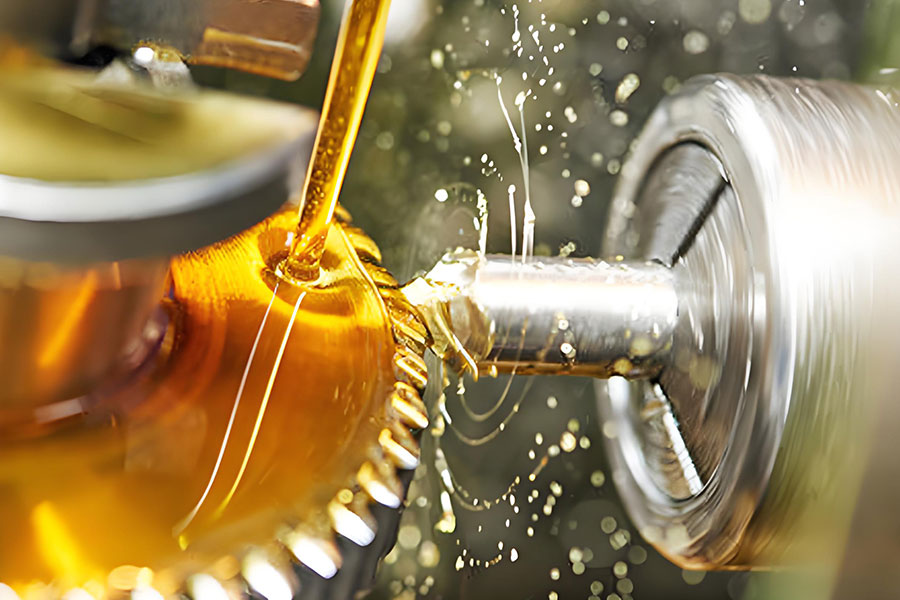
Bearing lubrication: the lifeblood of machinery
The company mainly produces three core series of products: cylindrical roller bearings, self-aligning roller bearings, and thrust self-aligning roller bearings. The product can be adapted to multiple industrial fields such as metallurgical equipment, mining machinery, heavy machinery, engineering equipment, etc., and can meet the operational and load-bearing requirements of equipment under different working conditions.
SZ Bearings
Bearings are indispensable components in the field of modern machinery, playing a vital role in a wide range of equipment and machinery. The lubrication of bearings is one of the key factors in ensuring their proper operation and minimising friction and wear. This article will explore the importance of bearing lubrication, lubrication methods, the selection of lubricants, and bearing lubrication maintenance, with a view to enhancing the understanding and application of bearing lubrication technology.
As core components in mechanical transmission systems, bearings bear the forces and torques generated by rotational motion; consequently, their operating condition directly affects the performance and service life of the equipment. Lubrication is one of the key factors in maintaining the proper functioning of bearings.
The Importance of Bearing Lubrication
Reducing Friction and Wear: Friction is inevitable during bearing operation, but appropriate lubrication can lower the coefficient of friction, reduce wear, and extend the service life of the bearings.
Cooling and Sealing: Lubricants form a protective film between the bearing and the external environment, serving to seal and cool the bearing. This effectively lowers the operating temperature and improves efficiency.
Noise Reduction: Good lubrication reduces the noise generated during bearing operation, enhancing the smoothness and comfort of the equipment’s operation.
Methods of Bearing Lubrication
Grease: Grease is one of the most common lubrication methods. Composed of base oil and additives, it possesses good viscosity and adhesion, making it suitable for high-speed, high-temperature and sealed bearings.
Lubricating Oil: Lubricating oil is suitable for high-speed bearings and machinery operating continuously. It has good fluidity and cooling properties, enabling it to form a uniform oil film within the bearing to reduce friction.
Solid Lubricants: Solid lubricants are typically used in bearings operating under high temperatures, heavy loads and low speeds. These consist of solid particles such as molybdenum, copper and lead, which form a uniform lubricating film on the bearing surface to reduce friction and wear.
Selection of Lubricants
Operating Conditions: Select the appropriate lubricant based on the bearing’s operating conditions, taking into account factors such as load, rotational speed and temperature.
Wear Resistance: The wear resistance of a lubricant is a key indicator of its performance; selecting a lubricant with good wear resistance can effectively extend the service life of the bearing.
Temperature Stability: A lubricant should not decompose or fail at high temperatures; it must possess good temperature stability to ensure proper lubrication of the bearing under various operating conditions.
Sealing Performance: For sealed bearings, the sealing performance of the lubricant is crucial; a lubricant with good sealing properties should be selected to prevent external contaminants from entering the bearing.
Bearing Lubrication Maintenance
Regular Replacement of Lubricant: Replace the lubricant regularly in accordance with the equipment’s usage and the manufacturer’s recommendations to maintain good lubrication of the bearings.
Cleaning the bearing surface: When changing the lubricant, the bearing surface and lubrication chamber should be cleaned to prevent contaminants from mixing with the lubricant and affecting lubrication performance.
Pay attention to the amount of lubricant added: Too much or too little lubricant can affect the normal operation of the bearing; the amount of lubricant added should be adjusted appropriately according to actual conditions.
Monitor bearing temperature: Regularly check the operating temperature of the bearing; if the temperature is abnormally high, the lubrication condition of the bearing should be checked promptly to ensure its normal operation.
Bearing lubrication is one of the key factors in ensuring the normal operation of mechanical equipment. Selecting the appropriate lubrication method and lubricant is crucial for improving equipment performance and extending service life. Therefore, in practical applications, we should place great emphasis on bearing lubrication technology, carry out regular lubrication maintenance, and ensure that bearings remain in a well-lubricated state to guarantee the safe and stable operation of the equipment.