Ship
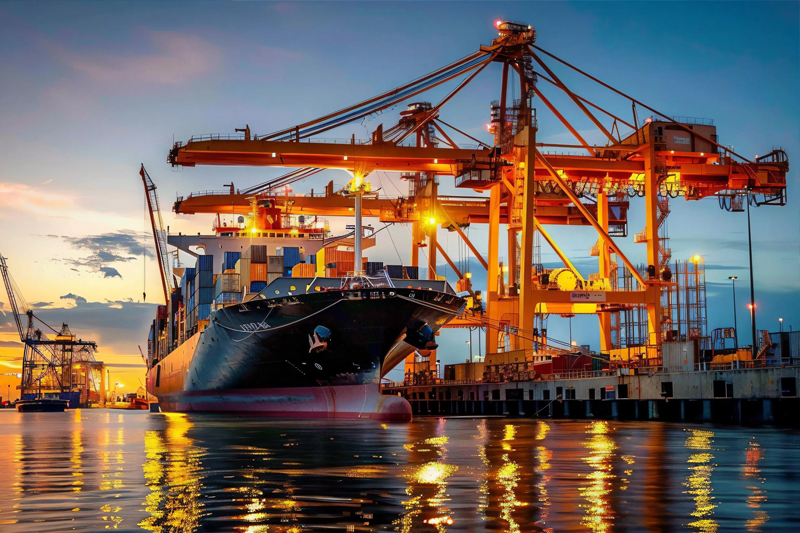
Bearings are core components of various marine power and transmission systems. They directly impact a vessel’s navigational safety, operational stability, and service life. Widely used in critical equipment such as propulsion systems, steering gear, pumps and valves, deck machinery, and generators, they are indispensable precision components for ships.
In ship propulsion systems, main propulsion shaft bearings bear the immense loads of the propeller and drive shaft, supporting the high-speed, smooth operation of the main shaft while withstanding seawater impact, vibration, and alternating stresses to ensure stable power output. Stern shaft bearings, which are constantly immersed in seawater, are typically made of corrosion- and wear-resistant materials to prevent seawater corrosion and friction-induced wear on the shaft, thereby avoiding operational failures.
Auxiliary machinery and deck machinery on ships also rely heavily on bearings. Rudder bearings ensure the rudder blade turns smoothly and controls the ship’s course with precision, while winch and anchor windlass bearings withstand heavy impact loads to meet the demands of anchoring and mooring operations; Bearings in seawater pumps, fuel pumps, and ventilators ensure the stable operation of pump housings and fans, maintaining essential ship functions such as water supply and drainage, fuel supply, and ventilation. Additionally, bearings in ship generator sets ensure continuous power supply to the electrical system, providing energy support for all onboard equipment.
Ships operate under unique conditions, constantly exposed to moisture, salt spray, vibration, and heavy loads. Therefore, the bearings used must be resistant to seawater corrosion, impact-resistant, highly sealed, and long-lasting. Materials commonly selected include stainless steel, copper alloys, polymer materials, or specialized anti-corrosion lubricated bearings.
High-quality bearings reduce equipment friction loss, minimize failure rates, and extend maintenance intervals, thereby enhancing the vessel’s operational reliability and economic efficiency. In various types of vessels—including ocean-going cargo ships, passenger ships, engineering vessels, and fishing boats—they serve as critical core components for ensuring navigation safety and efficient equipment operation.
Harsh marine conditions, rising costs, and increasingly stringent environmental and safety regulations are all impacting profitability and operational efficiency. Other challenges to be overcome include gaps in technical knowledge and a declining crew workforce. To maintain a leading position in the maritime industry, concerted efforts across many sectors are required. Our solutions are designed to provide simple, reliable, and cost-effective products and services to help you operate smoothly. We offer a comprehensive suite of high-quality products and services.