Material Handling
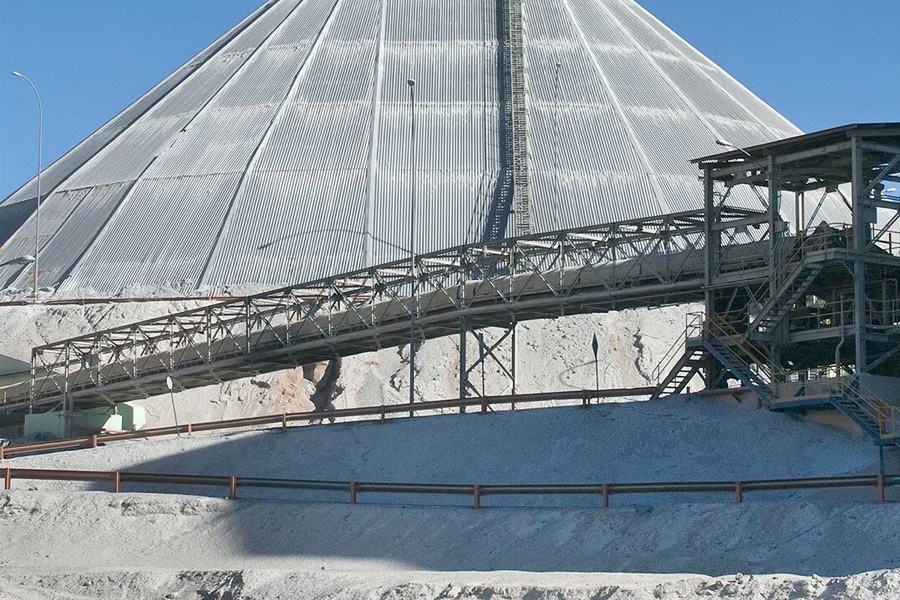
Material handling is widely used in industries such as mining, ports, warehousing, building materials, and logistics. It relies on equipment such as belt conveyors, roller conveyors, chain conveyors, scraper conveyors, and roller conveyor lines to transport goods. As core transmission components, bearings directly ensure the stable, efficient, and continuous operation of these transport systems.
In belt conveyors, bearings are primarily installed inside drive drums, idler drums, and support rollers. They bear radial loads, reduce friction between the drum and the shaft, and ensure smooth belt operation. In heavy-duty conveying applications such as mines and sand and gravel yards, self-aligning roller bearings are commonly selected for their high load capacity and impact resistance, making them suitable for harsh conditions such as dust and humidity; in contrast, deep-groove ball bearings are frequently used in light-duty logistics conveyor lines for their smooth operation and low noise, making them ideal for high-speed continuous operations.
Chain conveyors and scraper conveyors rely on chains to haul materials. Bearings are used in sprockets, tensioning wheels, and drive mechanisms to reduce chain wear, prevent jamming and chain skipping, and ensure the uniform conveyance of bulk materials such as coal, grain, and construction waste. The transfer mechanisms of large port loading and unloading equipment utilize tapered roller bearings, which can withstand combined loads and adapt to heavy-duty starts, stops, and frequent direction changes.
Furthermore, auxiliary transport equipment such as roller conveyor lines, forklifts, and unloading vehicles also rely heavily on bearings. They help reduce energy consumption, minimize component wear, extend the service life of the entire machine, and lower maintenance costs. In long-distance, high-intensity material transport, high-quality bearings effectively prevent idler jams, belt misalignment, and equipment downtime, thereby improving conveying efficiency.
In summary, bearings are critical components of material handling equipment. By selecting models suited to different operating conditions, they enable energy savings, noise reduction, wear resistance, and stable operation, providing reliable support for the efficient transfer of various materials.