Metallurgy
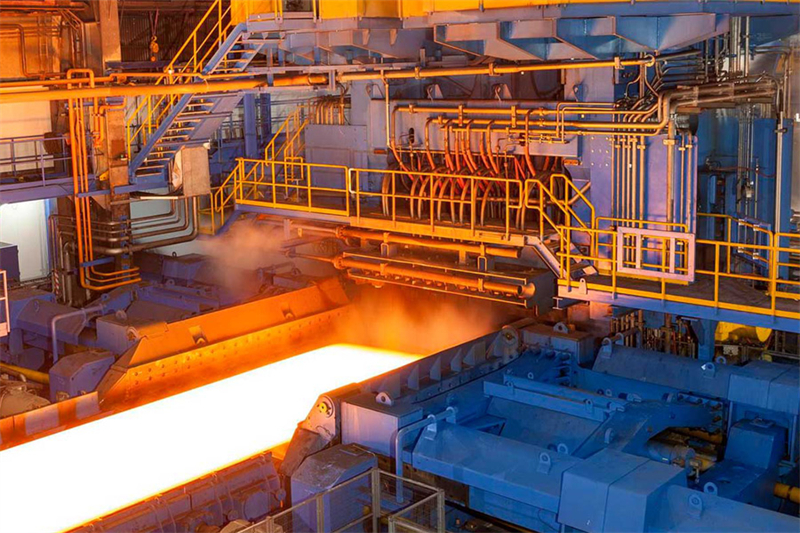
There is a wide variety of metallurgical equipment, ranging from the equipment required for raw material plants to that needed for upstream and downstream processes such as steelmaking, rolling, and leveling. These machines are equipped with various types of bearings. These bearings operate under the unique metallurgical conditions of “iron dust,” “water,” and “heat,” and must also withstand operating conditions such as “heavy loads + vibration and shock” and “speeds ranging from ultra-low to high + rapid acceleration and deceleration,” functioning under extremely harsh conditions.
The steelmaking process is extremely demanding; equipment must operate in environments with temperatures as high as 3,000°C, loads of 3,000 tons, extremely slow oscillations, peak loads, and vibrations. Every day, it faces high temperatures, large volumes of cooling water, and high impact forces, while also enduring the challenge of meeting ever-increasing production demands and maintaining or even improving the quality of finished products. At the same time, operators face pressure to reduce unit costs, improve product quality, and minimize environmental impact. For an industry where ensuring reliable, safe, and daily production is already difficult, these challenges are particularly severe.
Extreme temperature and speed limits, continuous high-impact loads, abrasive dust, corrosive chemicals, and high humidity—these are the extreme operating conditions faced by metallurgical plants. It is safe to say that such challenges are rare in other industries. These conditions cause equipment aging and unplanned downtime, and even under favorable conditions, they make effective maintenance extremely difficult. Increasingly stringent environmental and health and safety regulations have also made environmental protection and employee safety top priorities.
Faced with pressure to increase production and improve steel quality, equipment must meet demands for greater dimensional accuracy, improved surface quality, higher steel grades, and faster production speeds. At the same time, it must overcome daily challenges posed by high precision, heavy loads, high speeds, and corrosive coolants—reducing unplanned downtime and production interruptions, lowering labor and spare parts costs, extending repair and maintenance intervals, and eliminating manual lubrication at points in harsh operating environments to reduce risks and accidents.
Our bearings and lubrication systems protect your equipment from contamination and corrosion. Customized to your specific needs, we can help you meet—and even exceed—your quality, reliability, and uptime goals amid ever-increasing production demands.